
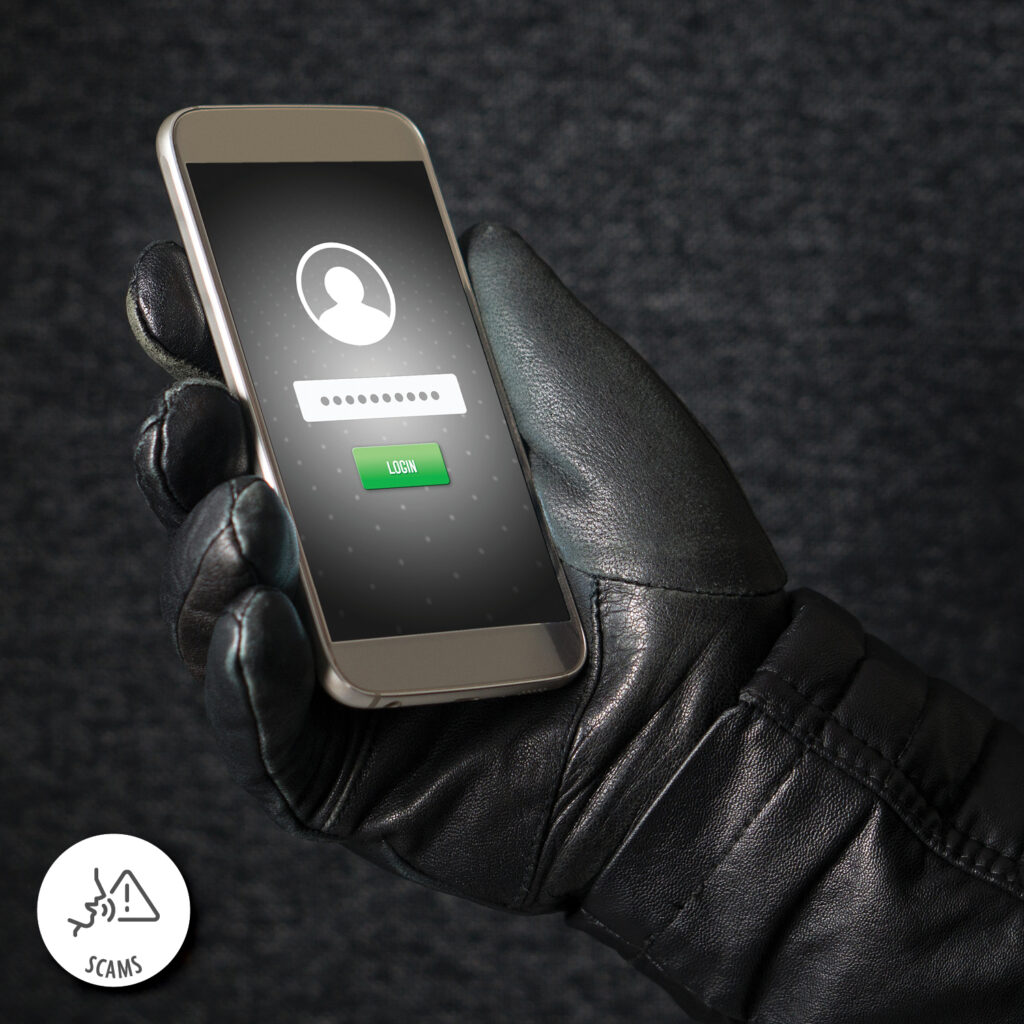
Imagine waking up, trying to check your email or checking account — only to find yourself locked out of your own accounts. Your password has changed, suspicious transactions are piling up and your digital life is no longer your own. Unfortunately, your account has been taken over and the nightmare is just beginning.
Account takeover (ATO) scams are a fast-growing form of cybercrime that targets everyone from college students to CEOs. Let’s take a look at these scams, how they work and how to protect yourself from falling victim.
What is an account takeover scam?
An account takeover occurs when a scammer gains unauthorized access to a victim’s online account through their email, banking, streaming service or shopping app. Once inside, they may change the password, locking the victim out and gaining complete control. The scammer may use the compromised account to:
- Make unauthorized purchases
- Access sensitive information
- Impersonate the victim to scam others
- Steal rewards points or gift card balances
- Spread malware to the victims’ contacts
ATO scams are particularly dangerous because they often go unnoticed until the damage happens. Also, if a scammer gets into one account, they can potentially access many others, especially if the victim reuses passwords, as many people do.
How do these scams play out?
A typical account takeover scam follows four steps:
- Reconnaissance. The scammer collects the victim’s personal information through phishing emails, data breaches or malware. The victim’s name, email, birthday and phone number are all valuable.
- Access. Using brute force (guessing passwords), credential stuffing (reusing stolen passwords from other sites), or social engineering (tricking the victim into revealing info), the scammer gains access to their accounts.
- Takeover. Once in, they quickly change the password, recovery email and security questions so the victim can’t get back in.
- Monetization. The scammer drains the victims’ accounts, makes purchases or sells their login credentials on the dark web. Sometimes, they use the victim’s email or social accounts to trick their friends or coworkers into sending money or clicking malicious links.
All this can happen in minutes — and the longer it takes for the victim to notice, the worse it gets.
Red flags to watch for
Fortunately, account takeovers often leave behind a digital paper trail. Be on the lookout for the following signs of a possible ATO scam:
- Unexpected password reset emails
- Login alerts from unknown locations or devices
- Locked accounts you didn’t change
- Unfamiliar charges on your credit or debit cards
- Friends saying they got strange messages from you
- Missing funds, rewards points or order confirmations for items you didn’t buy
If something feels off, proceed with caution. Digital scammers count on people being distracted, busy or unaware.
How to protect yourself
You don’t have to be a cybersecurity expert to stay safe. A few smart habits can go a long way:
- Use strong, unique passwords for each account. A password manager can make this easy and secure.
- Enable multi-factor authentication (MFA) wherever possible. This extra layer of security requires a second step (like a code sent to your phone) to log in. It’ll take a bit longer for you to log in to your accounts, but will ensure additional protection against ATO scams.
- Beware of phishing emails and texts. Don’t click on suspicious links or attachments, especially if they’re urging you to act immediately. Delete and block all spammy emails.
- Monitor your accounts regularly. Check for unauthorized logins, purchases or changes. The sooner you spot fraud, the better.
- Update your software and devices. Outdated systems are more vulnerable to malware and hacking, so make sure you’re always using the most updated security settings.
- Be cautious with public Wi-Fi. Avoid logging into sensitive accounts while on unsecured networks.
If you’ve been targeted
If you suspect or know you’ve fallen victim to an ATO scam, act fast to mitigate the damage.
First, try to regain control of your accounts using password recovery tools. It’s also a good idea to contact the compromised platform’s support team as soon as possible. Next, change your passwords, starting with your email account and then moving on to any other accounts that use the same or similar login. Enable MFA whenever possible, and notify your credit union and credit card company as you may need to freeze or close accounts. Scan your device for malware, using a trusted antivirus tool to check for keyloggers or other malicious software. Finally, file a report at IdentityTheft.gov or IC3.gov to help authorities track down scammers and prevent further damage.
In today’s digital world, your online identity is as valuable as your physical wallet — if not more so. Account takeover scams are scary but preventable with the right knowledge and habits. Use these tips to stay safe.